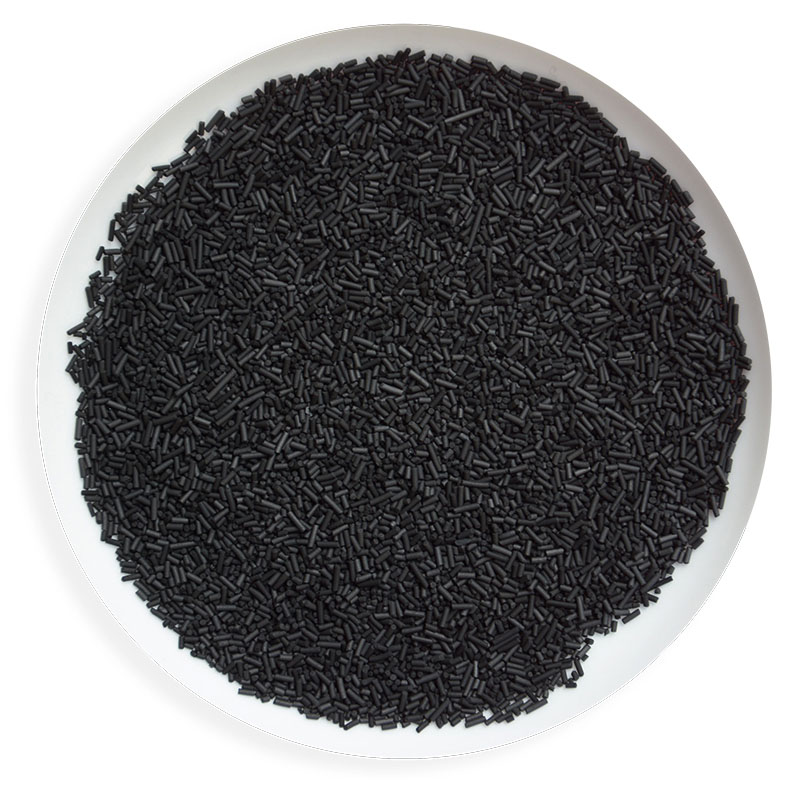
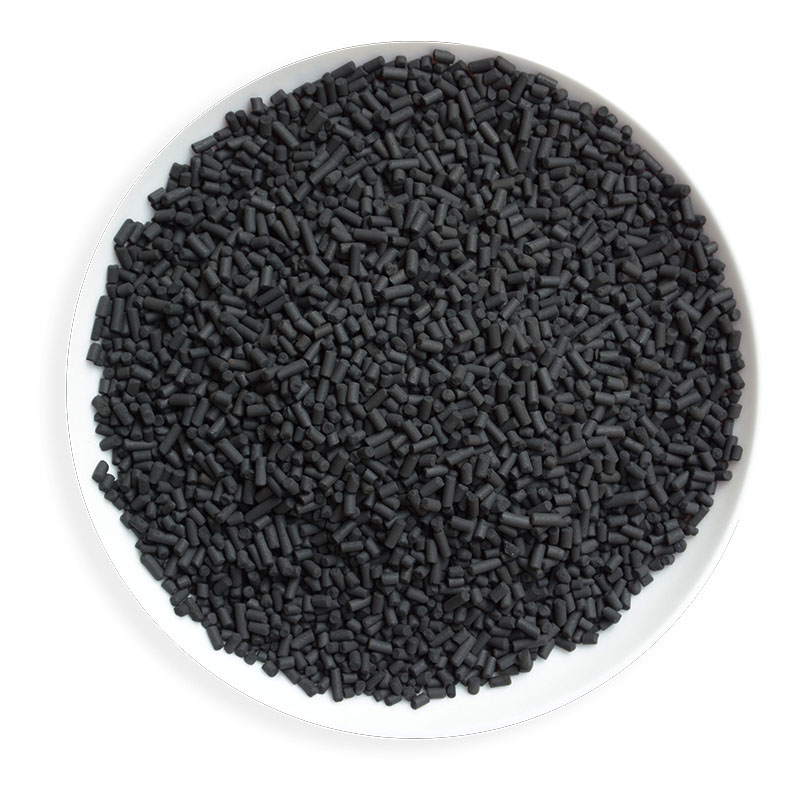
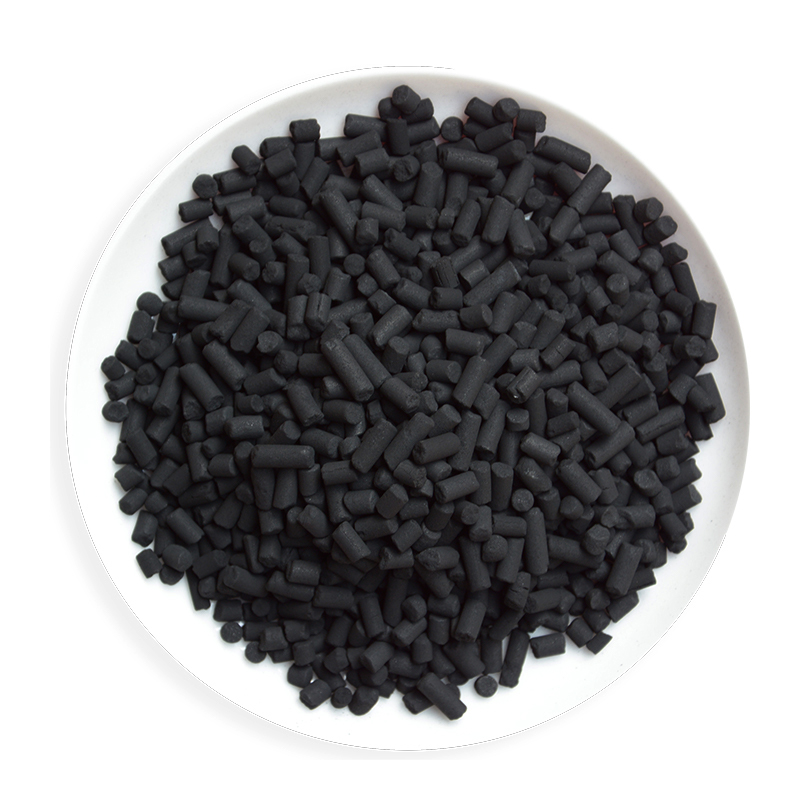
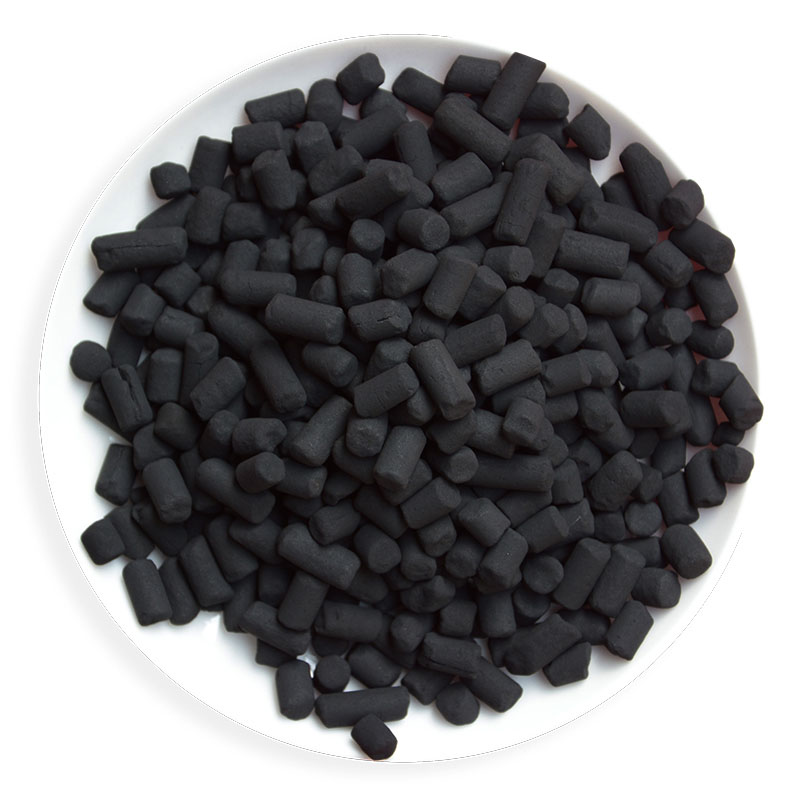
Activated carbon for flue gas purification
Activated carbon is a special activated carbon product specifically designed for flue gas purification. Its chemical stability and pore structure are basically consistent with those of ordinary activated carbon, while its physical adsorption performance, chemical adsorption performance, and catalytic activity are slightly lower than those of activated carbon. Compared with activated carbon, activated carbon has the characteristics of larger particle size, higher bulk density, higher mechanical strength, richer surface functional groups, lower activation degree, and smaller specific surface area. It overcomes the shortcomings of activated carbon such as high cost, low mechanical strength, and tendency to pulverize, while retaining the advantages of activated carbon including developed pore structure, abundant surface functional groups, and strong adsorption performance.
Activated carbon features a large surface area, well-developed pore structure, abundant surface functional groups, as well as excellent loading capacity and reducibility. It can serve as an adsorbent to adsorb different molecular substances via physical adsorption mechanisms. It can also act as a catalyst carrier, where the loaded substances and functional groups react with the target pollutants, retaining them on the surface of the activated carbon through chemical reactions. Furthermore, as a catalyst carrier, activated carbon can reduce the activation energy of reactions, significantly accelerating chemical processes. Meanwhile, the carbon atoms on the surface of activated carbon can also participate in reactions as reducing agents, providing a reducing environment for the flue gas.
application field
Activated carbon exhibits characteristics such as non-polarity, hydrophobicity, high chemical stability and thermal stability. Combined with its unique pore structure, surface chemical properties, catalytic performance, loading capacity, reducibility, and inherently high mechanical strength, these properties endow activated carbon with excellent inherent advantages as a flue gas purification medium.
Activated carbon enables the integrated and simultaneous removal of SO2, NOx and Hg, while also eliminating dust, dioxins and other toxic substances from the exhaust gas, thus allowing for advanced treatment of flue gas. This is well demonstrated by the currently commercialized dry flue gas purification technologies using activated carbon.
Activated carbon can achieve integrated removal of SO2, NOx, and Hg, while also removing dust, dioxins, and other toxic substances from waste gas, enabling deep treatment of flue gas. For currently engineered activated carbon dry flue gas purification technology, SO₂ removal rates can reach over 98%, NOₓ removal rates can exceed 60%, and the dust content in the flue gas at the removal tower outlet can be as low as 20 mg/m³.