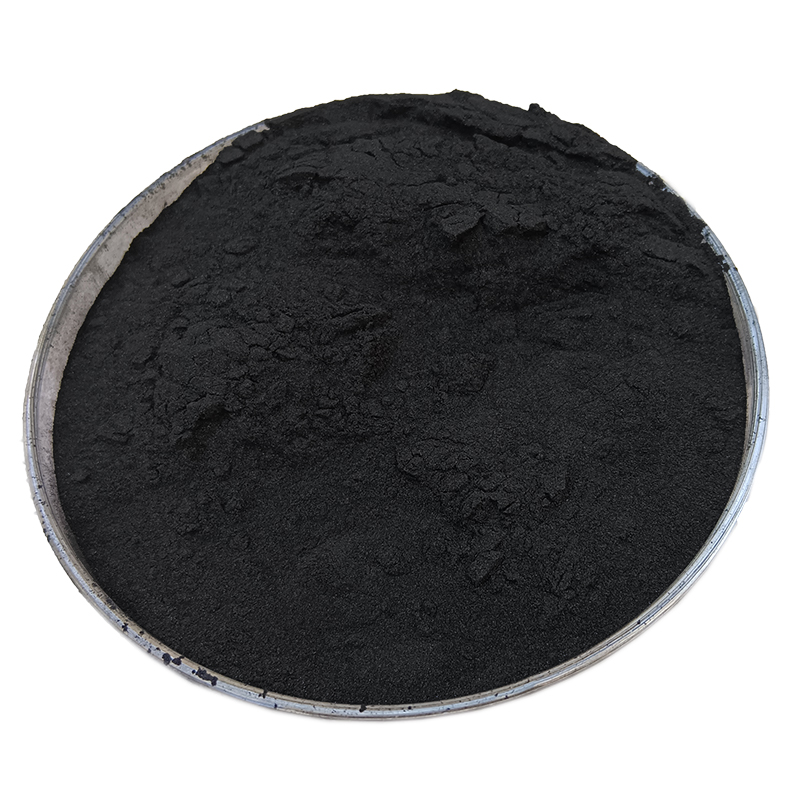
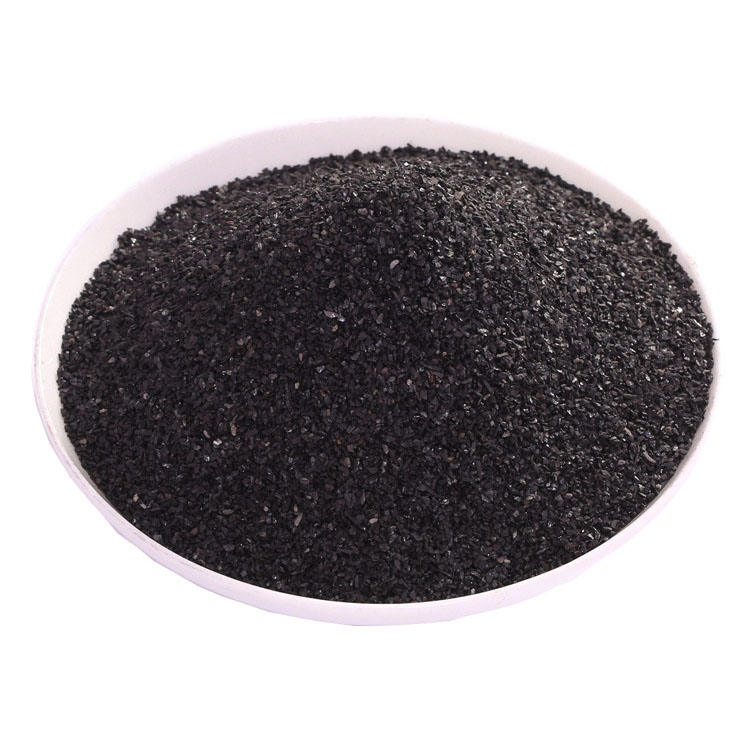
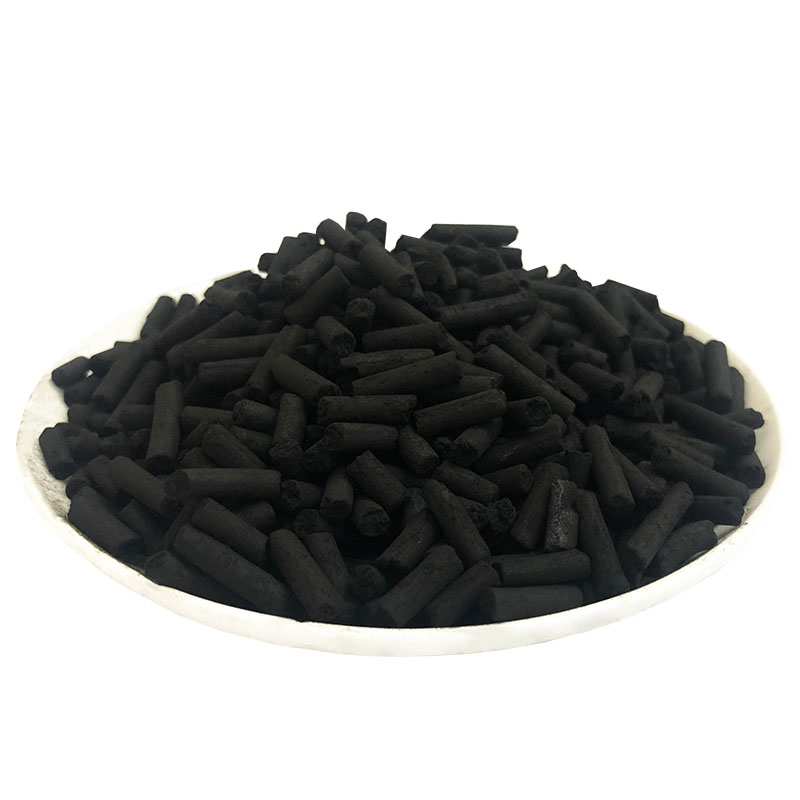
The application of coal based activated carbon is mainly based on gas-phase adsorption, liquid-phase adsorption, and catalytic action, and is widely used in various fields such as water treatment, solvent recovery, decolorization and purification of food, gas separation, and gas purification. In addition, some coal based activated carbon that has undergone special processing can also serve as efficient desulfurizers, catalysts, and catalyst carriers.
Liquid phase application
The liquid-phase applications of coal based activated carbon mainly include water treatment, decolorization in the food industry, and precious metal recovery.
1. Water treatment
Coal based activated carbon has strong adsorption capacity for dissolved organic compounds such as benzene and phenolic compounds in water, and has good removal or recovery effects for organic compounds that are difficult to remove by other methods, such as chromaticity, odor, surface active substances, herbicides, synthetic dyes, amine compounds, etc. Its use in water treatment is usually divided into drinking water purification and sewage purification, and sewage treatment is further divided into two categories: urban domestic sewage treatment and industrial wastewater treatment.
2. Food industry decolorization
The main purpose of using activated carbon in the food industry is to remove pigments and their precursors, adjust fragrance, deodorize, remove colloids, remove substances that hinder crystallization, and improve product stability and quality. Widely used in the process of sugar production and manufacturing monosodium glutamate. In addition, decolorizing activated carbon is also used for decolorizing beverages, organic acids, inorganic acids, pharmaceuticals, other organic substances, fats and oils, resins, salts, and inorganic substances.
3. Precious metal recycling
The extraction of precious metals such as gold using activated carbon has been widely applied in gold mines both domestically and internationally. After cyanide leaching, the gold minerals in the ore form water-soluble gold cyanide complexes. Most of the gold cyanide complex ions can be adsorbed by activated carbon and further processed to recover gold.